

How to maintain a flat roof is a question many homeowners in the UK face. Flat roofs are stylish, practical, and durable, but even the strongest roofs need regular care to stay in top condition. Without proper roofing maintenance, small issues like cracks, debris build-up, or pooling water can quickly turn into costly repairs.
Regular care not only prevents damage but also helps your roof continue to provide safety, insulation, and peace of mind for your home. By following the right roof maintenance tips, you can extend your roof’s lifespan, protect your investment, and enjoy a worry-free home year after year.
Tips to Maintain a Flat Roof in the UK
Caring for a flat roof doesn’t have to be complicated. Here are 9 roof maintenance tips to keep your home safe and your roof in top condition.
1. Regular Inspections
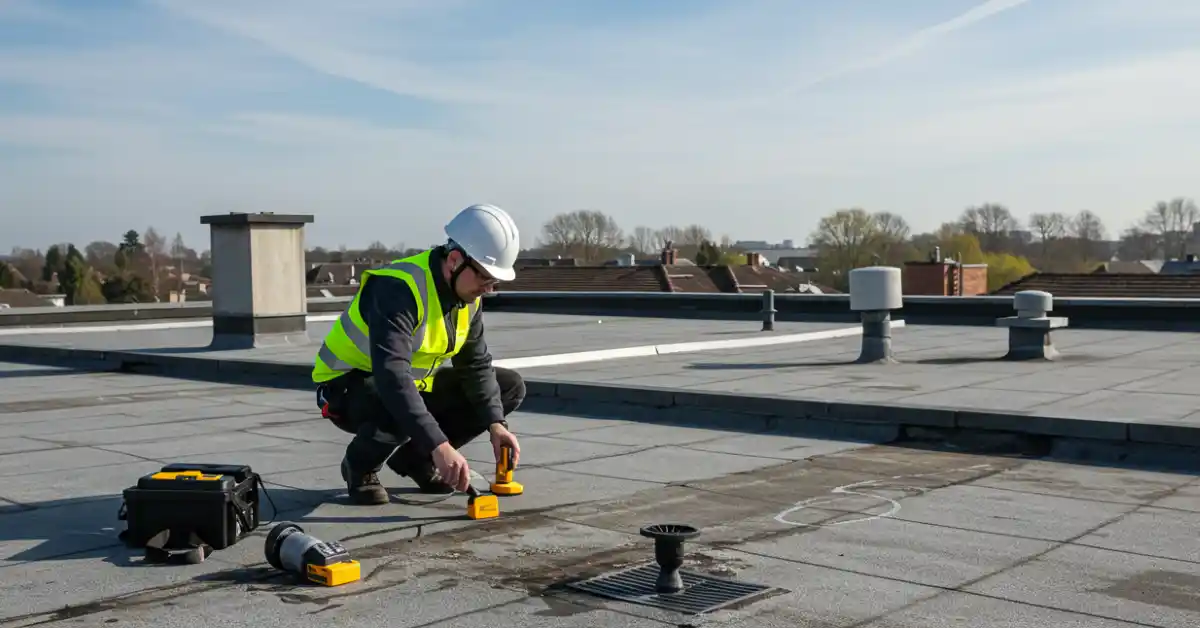
Regular inspections are the foundation of smart roof maintenance. Inspect your roof at least twice a year, after heavy rain, or following storms. Look for cracks, blisters, loose seams, or areas where water pools.
Pay attention to edges, joints, and around vents or skylights. Even small cracks can worsen over time, allowing water to seep into insulation or ceilings. Documenting these issues with photos helps track changes and decide when to schedule professional repair. Spotting problems early can save significant costs and prevent severe damage. For more on leak detection, see our guide to spotting roof leaks early
2. Keep It Clean and Clear
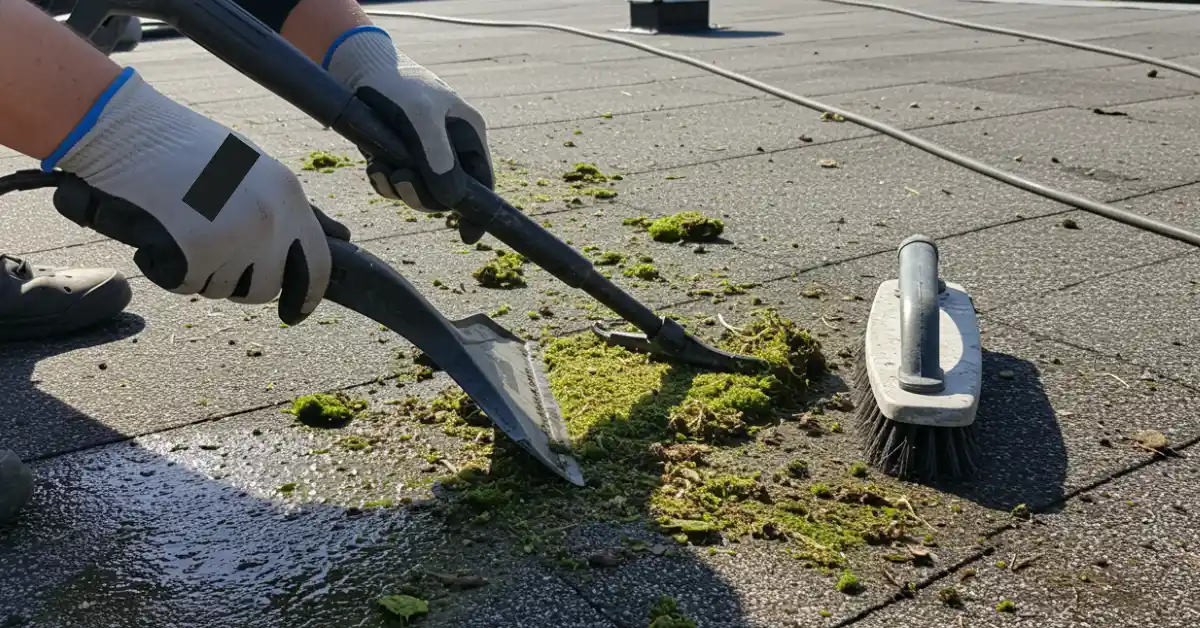
Flat roofs collect debris, moss, and dirt, which trap moisture and weaken the surface. Regularly sweep the roof and clean gutters and downpipes to maintain a healthy surface.
Use a soft broom or leaf blower to remove debris without damaging the membrane. Avoid harsh chemicals that could degrade roofing materials. Early removal of moss prevents stubborn patches that may need professional treatment later. Trimming nearby trees also reduces leaf buildup and the risk of damage from falling branches. Keeping your roof clean provides proper drainage and extends the roof’s lifespan.
3. Check Drainage
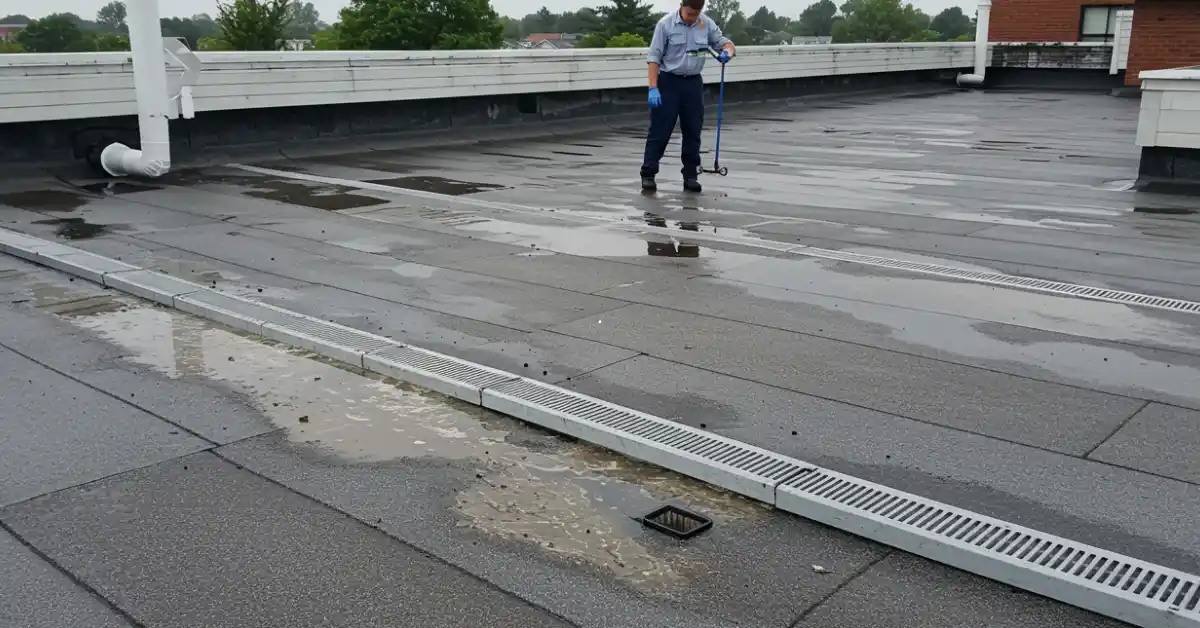
Water pooling is one of the most common causes of damage to flat roofs. Check drains, outlets, and downpipes frequently to prevent clogs and standing water.
Observe how water drains after rainfall; lingering puddles can indicate blocked drains or subtle slope issues. Installing mesh covers on drains helps keep debris out. Proper drainage protects the roof membrane, insulation, and structural components from water damage. Acting early prevents many common flat roof issues that could lead to costly repairs.
4. Fix Issues Quickly
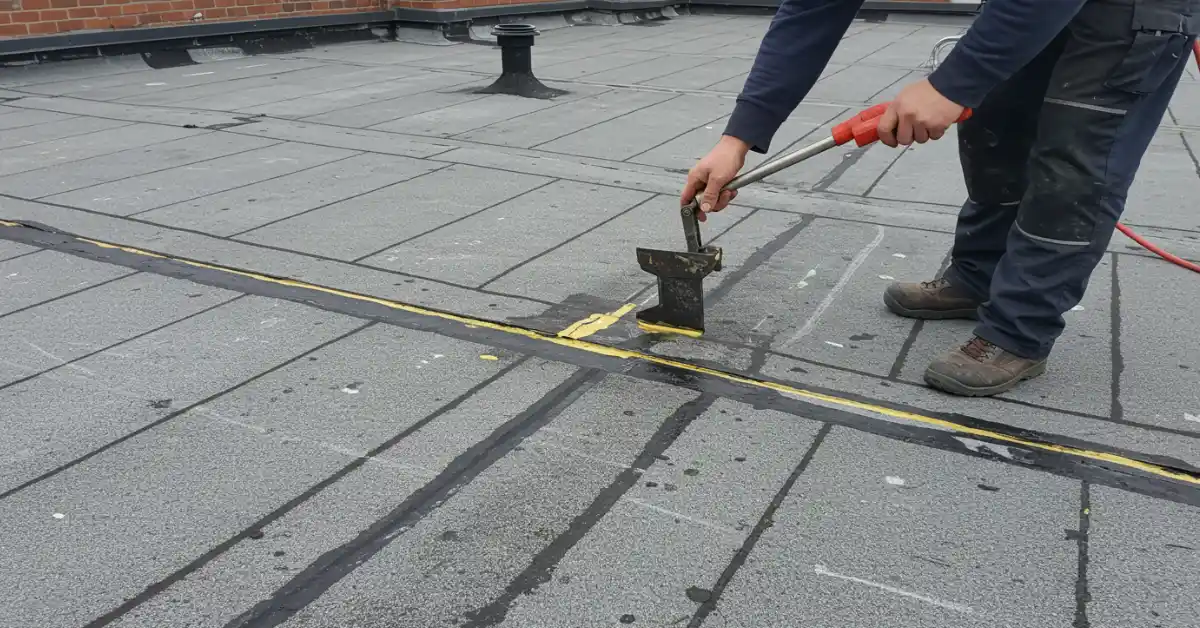
Small cracks, lifted seams, or minor leaks are warnings that shouldn’t be ignored. Addressing them promptly prevents bigger problems.
Use roofing sealants or patching materials compatible with your roof. Temporary fixes are okay for minor leaks, but for more serious damage, schedule professional repairs through our roof repair services. Quick action stops water from penetrating insulation, causing mold, or weakening the roof’s structure. Timely repairs reduce long-term costs and extend the life of your roof.
5. Seasonal Care
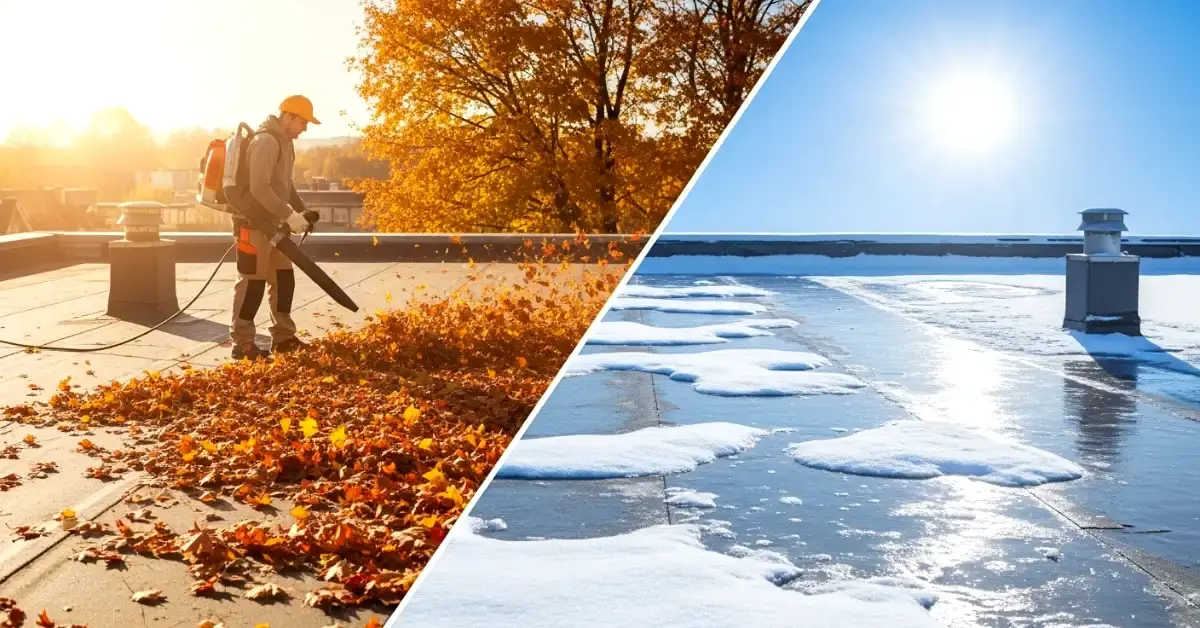
Different seasons bring unique challenges for flat roofs, UV damage in summer, fallen leaves in autumn, and snow or ice in winter.
In summer, check membranes for signs of brittleness or fading. In autumn, clear leaves and debris to prevent blocked drains and water buildup. During winter, carefully remove snow or ice using plastic tools to avoid damaging the roof.
Adjusting maintenance for each season helps your roof stay strong, functional, and long-lasting throughout the year while preventing minor issues from turning into costly problems.
6. Call the Experts
Some roofing issues require professional attention to prevent long-term damage. Flat felt roofs, membranes, and seams often need specialized skills for proper repair, which makes sure the work is safe and durable.
Even routine inspections by experienced roofers can detect subtle issues, such as early leaks or membrane wear, before they become major problems. Professional help provides peace of mind and keeps your roof in top condition.
Contact Gold Crest Roofing & Building Ltd at +44 208 945 7772 for reliable roofing services in Lewisham and the surrounding areas.
7. Long-Term Protection
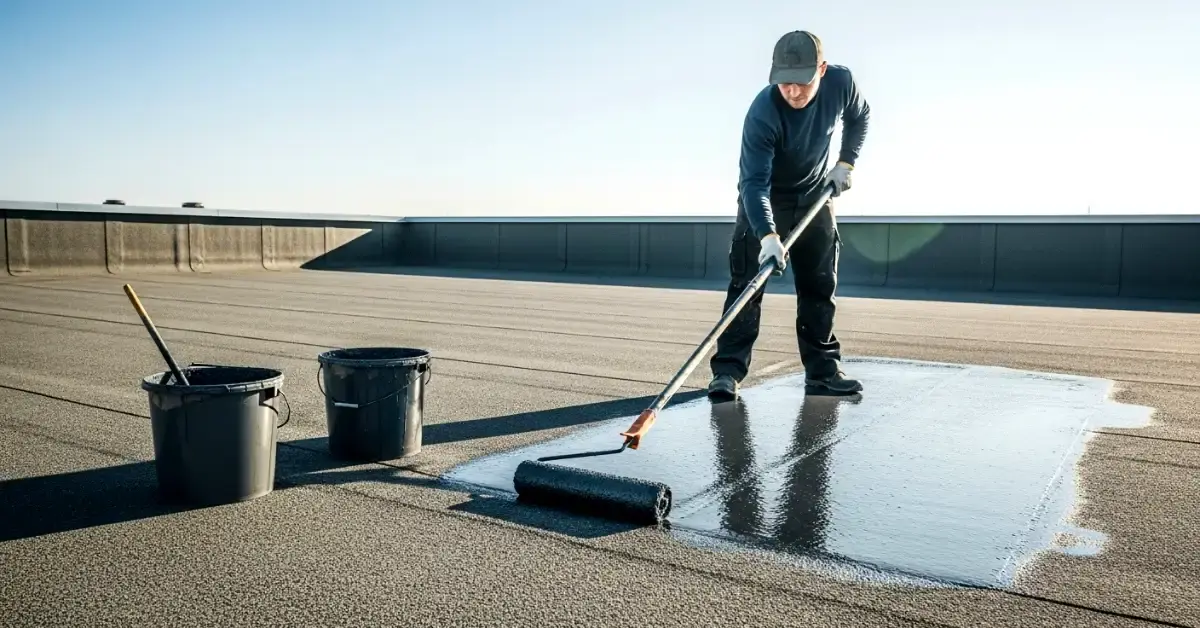
Maintenance isn’t just about fixing problems; it’s about preventing them from occurring in the first place. Applying protective coatings, resealing edges, and refreshing waterproof layers helps strengthen the roof, extend its lifespan, and maintain its overall performance.
Using high-quality materials also boosts durability, reduces wear and tear, and can improve energy efficiency. Preventive care minimises the risk of leaks, structural damage, and costly repairs over time. Taking these steps consistently makes sure your roof remains reliable, safe, and efficient for years to come. For guidance on selecting materials, see our guide to selecting flat roof materials.
8. Energy Benefits
A well-maintained roof not only prevents damage but also improves your home’s energy efficiency. A clean, reflective roof surface reduces heat absorption in summer, keeping your home cooler, while proper insulation and sealing minimize heat loss in winter.
Regular maintenance also prevents gaps, cracks, or water damage that can compromise insulation efficiency. By keeping your roof in top condition, you can lower energy bills, maintain a comfortable indoor temperature year-round, and protect the overall performance of your home.
9. Prevention Over Cure
The most effective strategy for flat roofs is proactive care. Regular inspections, debris removal, and prompt repairs help stop minor issues from turning into serious structural problems.
Maintaining a consistent routine protects your home, belongings, and overall investment while saving money on costly replacements in the long run. Proactive maintenance also makes sure that your roof remains strong, fully functional, and reliable throughout its lifespan, reducing stress and giving you peace of mind. By acting early and staying consistent, you can prevent unexpected problems and keep your roof performing optimally for many years.
Conclusion
Your roof is more than just a cover over your home, it protects everything inside. Neglecting flat roof maintenance can lead to leaks, water damage, and costly repairs. By following these 9 essential tips on how to maintain a flat roof, you’re taking proactive steps to keep your roof strong, extend its lifespan, and safeguard your home. Regular cleaning, inspections, timely repairs, and professional support all contribute to a durable and problem-free roof. For expert guidance and help with larger repairs, contact trusted roofers in Lewisham who can make sure your roof stays in excellent condition for years to come.
FAQs
How often should you seal a flat roof?
Most flat roofs should be sealed every 3 to 5 years to prevent leaks and protect the roof membrane. Regular sealing helps maintain the waterproof layer, prevents minor cracks from worsening, and extends the overall lifespan of your roof.
What is the lifespan of a flat roof?
With proper roofing maintenance, a flat roof can last 20 to 30 years, with premium membranes lasting even longer. Consistent inspections, cleaning, and timely repairs play a key role in achieving the maximum lifespan.
What is the most common defect in a flat roof?
Water pooling from poor drainage is the most common defect, which can lead to leaks and structural issues if not addressed. Proper drainage and clearing debris regularly can prevent this problem.
What is the best waterproofing for a flat roof?
Liquid-applied membranes and EPDM are top choices for durability, flexibility, and long-term protection. Choosing the right waterproofing depends on your roof type, climate, and maintenance routine.
How often should I waterproof my roof?
Waterproofing should be reapplied every 5 to 10 years, depending on your roof type and weather conditions. Regular maintenance checks help determine if earlier reapplication is needed to avoid leaks.
How long does a flat roof membrane last?
High-quality membranes can last 20 to 40 years with proper roof maintenance. Keeping the surface clean and addressing minor issues promptly keeps the membrane performing optimally throughout its lifespan.
