
Installing a flat roof may seem simple, but doing it correctly requires careful planning, the right tools, and high-quality materials. When you understand how to install a flat roof properly, you not only protect your home from leaks and structural damage but also add a sleek, modern aesthetic and even create functional space above your home. The key lies in understanding the flat roof structure, preparing a solid base, and following professional installation steps. With the right approach, you can achieve a durable, weather-resistant flat roof that combines strength, efficiency, and style, giving you lasting confidence and peace of mind in your home investment.
Tools and Materials Needed
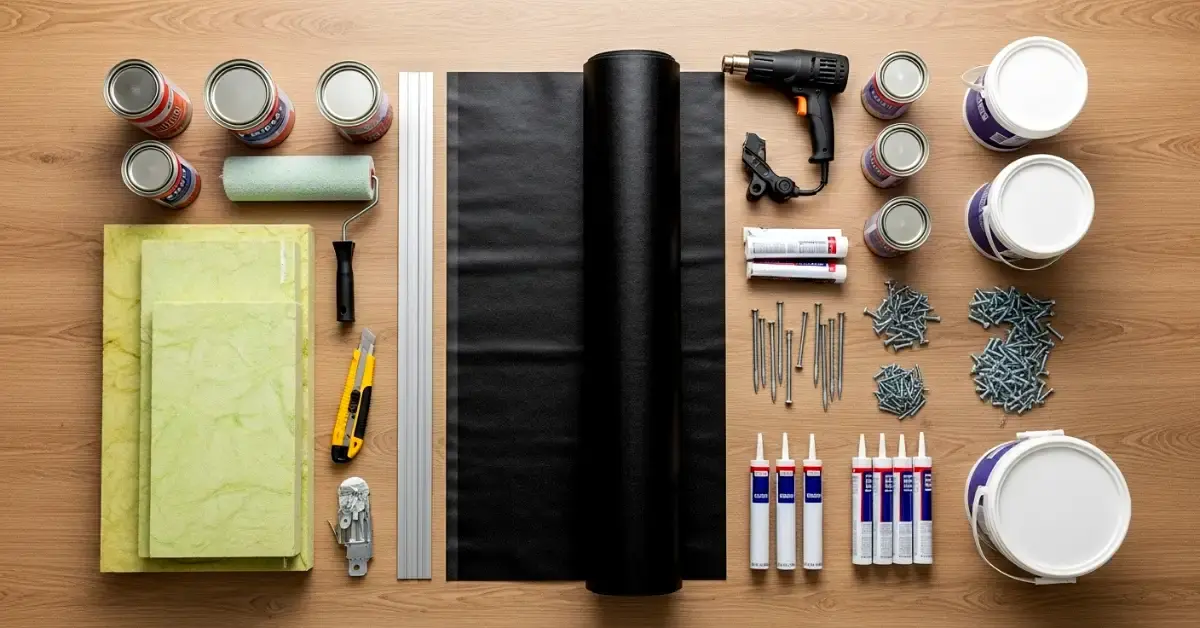
Before beginning, it’s important to gather all necessary tools and materials. Key items include:
- High-quality roofing membrane suitable for your climate
- Insulation boards for thermal protection
- Primers, adhesives, and sealants
- Nails, screws, and mechanical fasteners
- Roofing felt is required for your system
- Utility knife, straight edge, and roller for precise installation
- Heat gun or torch (depending on the membrane type)
Having all tools ready provides a smooth installation process and reduces the risk of mistakes during critical steps.
Step-by-Step Guide on How to Install a Flat Roof
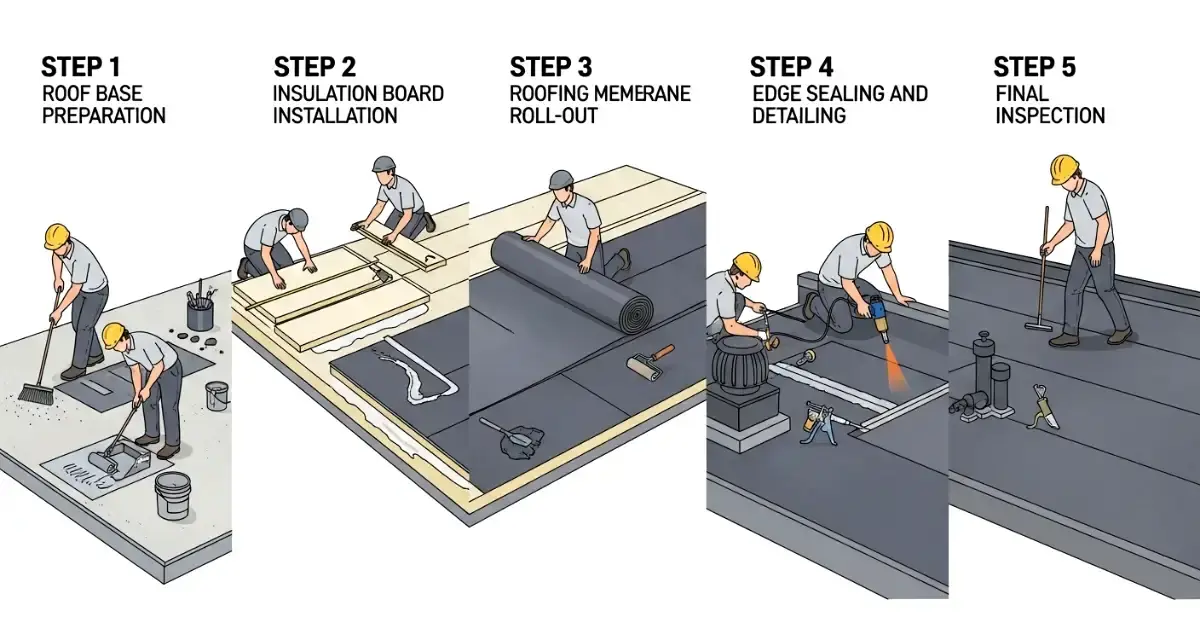
Follow these detailed steps to install your flat roof with confidence, ensuring a durable and weather-resistant structure for years to come.
Step 1: Inspect and Prepare the Base
Start by thoroughly checking your roof deck for damage, rot, or uneven surfaces. A flat roof is only as strong as its foundation, so reinforcing weak areas is critical. Clean the base of debris and make sure it is completely dry. A solid base prevents future structural issues and makes the installation process more efficient.
Step 2: Install Insulation and Underlayment
Lay insulation boards evenly to improve energy efficiency and support the roof membrane. Cover the insulation with an underlayment to act as a protective barrier against moisture. Proper layering at this stage makes sure your flat roof performs well against heat, cold, and moisture, extending its lifespan.
Step 3: Lay the Roofing Membrane
Carefully roll out your flat roofing membrane across the surface. Depending on the type of membrane, secure it using adhesive, mechanical fasteners, or a heat-welded technique. Take your time to smooth out wrinkles and align seams properly. Correct installation here prevents water penetration and keeps your flat roof durable.
Step 4: Seal Edges and Joints
The edges, seams, and corners of a flat roof are the most vulnerable areas for leaks. Apply roofing tape, adhesive, or a recommended sealant to secure these sections. Properly sealed edges protect your home from water damage and maintain the structural integrity of your roof over the years.
Step 5: Install Roof Features
Flat roofs may include features such as vents, drains, or skylights. When adding these, carefully cut openings and seal around them thoroughly to avoid leaks. Thoughtful installation makes sure that any additional features integrate seamlessly without compromising your roof’s performance.
Step 6: Inspect and Finalise
After installation, conduct a final inspection. Look for gaps, bubbles, or areas needing reinforcement. Apply a protective coating if recommended by your roofing material manufacturer. A thorough inspection gives you confidence that your flat roof is ready to withstand weather changes and last for decades.
Follow these detailed steps to install your roof with confidence. If you need professional assistance, our flat roofing services in Lewisham can help create a durable and weather-resistant structure that lasts for years to come.
Additional Tips for Flat Roof Installation
- Maintain a slight slope, around 1-2%, to promote proper drainage and prevent water pooling.
- Select high-quality materials that are well-suited to your climate to enhance durability and minimise maintenance costs.
- Consider reflective or light-colored membranes to minimise heat absorption in warmer regions.
- Always follow manufacturer guidelines for adhesives, membranes, and protective coatings.
- If unsure about any step or for professional assurance, you can consult experienced professionals for installation and maintenance.
Common Mistakes to Avoid
Even a simple flat roof installation can have pitfalls. Avoid skipping insulation, as it has a significant impact on your roof. Using low-quality membranes or rushing the sealing process can compromise the durability of your roof. Poorly installed seams or edges may result in leaks, water pooling, or structural damage over time, leading to expensive repairs and stress. Taking the time to do each step carefully not only protects your home but also makes sure your roof remains strong, reliable, and long-lasting, giving you peace of mind for years to come.
Benefits of a Properly Installed Flat Roof
A well-installed flat roof enhances the beauty and functionality of your home. It provides durable protection against the elements, improves insulation, and allows for creative uses like rooftop gardens or seating areas. The peace of mind knowing your property is safe from leaks and structural damage is invaluable. Choosing the right materials and professional guidance can turn a simple roof into a long-lasting, stylish feature of your home.
For homeowners seeking expert support, our professional roofing services provide proper installation and maintenance, making sure your flat roof stands the test of time.
Conclusion
Installing a flat roof may seem daunting, but with careful planning, quality materials, and attention to detail, it becomes a manageable and rewarding project. Understanding your roof structure, following the step-by-step installation process, and taking preventive measures provides a durable, weather-resistant roof that protects your home for years. Whether you’re enhancing a garage, house, or any flat-roofed structure, a properly installed roof adds both functionality and modern appeal. For expert guidance or professional installation, connecting with experienced roofers in Lewisham makes sure the job is done safely, efficiently, and to the highest standards. By taking the time to do it right, you’ll enjoy a reliable roof that combines style, strength, and peace of mind.
FAQs
What is the minimum slope for a flat roof?
A minimum slope of 1-2% allows for proper water drainage and prevents pooling, which can lead to leaks and structural damage.
What is a good angle for a flat roof?
While these are primarily level, angles up to 10 degrees may be applied depending on the roof design and drainage requirements.
Can solar panels be installed on a flat roof?
Yes, flat roofs are ideal for solar panels, as they allow for flexible positioning and adjustment to maximise sunlight exposure.
What type of roof is best suited for a hot climate?
Light-colored or reflective membranes reduce heat absorption, keeping interiors cooler and lowering energy bills.
What is the cheapest option for a flat roof?
Bitumen felt is typically the most cost-effective material; however, EPDM or TPO membranes offer better durability and long-term value.
