
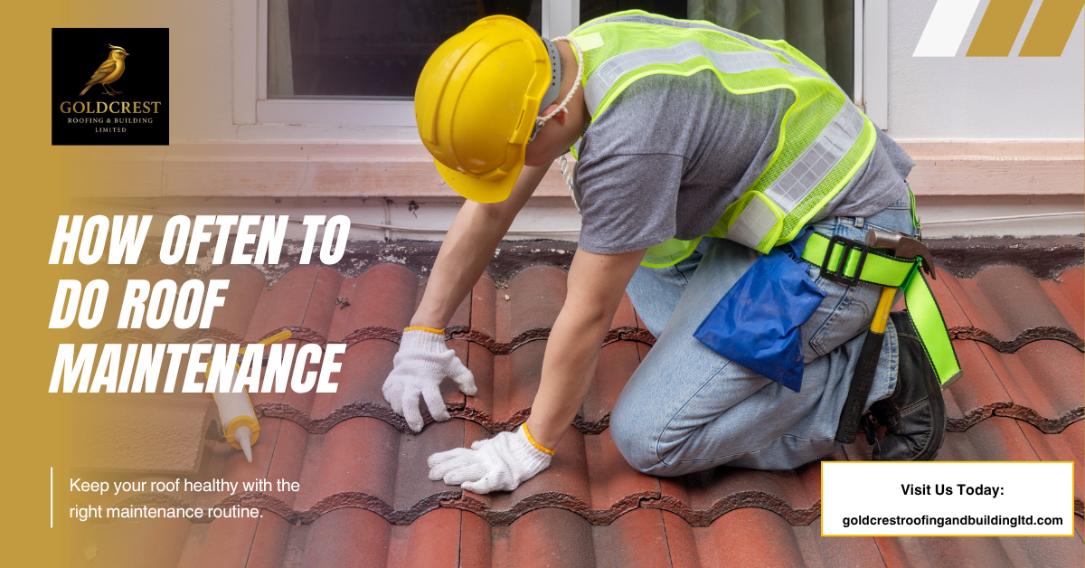
Your roof is more than just the top of your home; it’s your first line of defense against storms, scorching sun, heavy snow, and driving rain. But even the strongest roofs can’t protect you forever without a little care. Knowing how often to do roof maintenance isn’t just about avoiding leaks; it’s about keeping your home safe, saving money on costly repairs, and having peace of mind all year round. Whether you’re looking at home roof maintenance or maintaining a larger property, regular upkeep makes sure your roof stays strong, reliable, and ready to face whatever the weather throws at it.
What Roof Maintenance Really Means
Roof maintenance isn’t just about looking at it from the ground or sweeping off leaves. It’s about checking the roof’s condition, keeping it clean, and fixing minor problems before they become big ones.
Here’s what proper roofing and maintenance usually involves:
- Inspecting shingles or tiles for cracks, curling, or missing pieces
- Cleaning gutters and downspouts so water drains properly
- Checking flashing and seals around chimneys, vents, and skylights
- Removing moss, algae, and debris that can trap moisture and damage the roof
Even tiny cracks or blocked gutters can lead to leaks, mould, or water damage. Following a good roof maintenance guide helps you tackle these tasks before they escalate.
How Often Should You Inspect Your Roof?
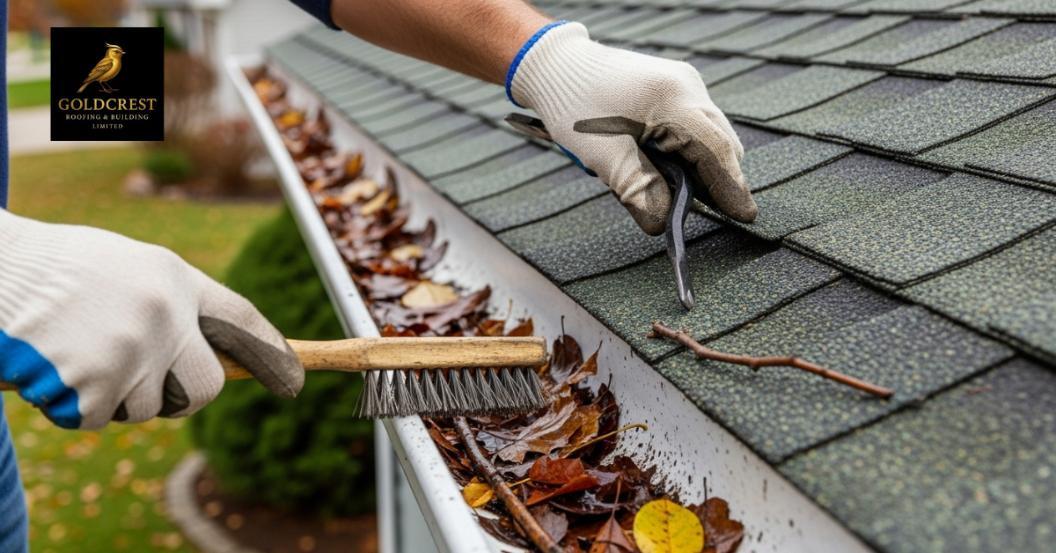
A good rule of thumb is to check your roof twice a year, once in spring and once in autumn.
- Spring checks catch any winter damage, like broken tiles or ice-damaged shingles.
- Autumn checks prepare your roof for the colder months, clearing leaves and making sure the gutters’ drainage system is working properly.
You should also inspect after extreme weather such as storms, heavy snow, or strong winds, as they can cause unseen damage.
If you spot damp patches or discoloured ceilings, it might be worth reading our quick guide on spotting roof leaks early, especially for homes in Lewisham, where rain can be frequent.
How Often Should You Maintain Your Roof?
Not all roofs require the same level of care. How often you maintain yours depends on the material and age:
- Asphalt shingles: 1–2 times per year
- Metal roofs: once a year
- Tile or slate roofs: annually, but inspect more often if tiles crack or shift
Older roofs, or houses needing roof repair and maintenance, require extra attention to prevent
Minor issues from becoming big problems.
Roof Maintenance by Season: What to Do and When
Planning your roof maintenance around the seasons helps you stay organised and prevents minor issues from becoming costly problems. Here’s a simple breakdown to keep your home roof maintenance routine on track year-round:
- Spring: Clear away debris, clean gutters, and inspect shingles for winter damage. Check flashing around chimneys and vents to make sure they’re watertight.
- Summer (optional check): Look for sun damage, loose nails, or cracked sealant. Trim back any overhanging branches that could scrape or damage the roof.
- Autumn: Remove fallen leaves, clear gutters and downpipes, and check for moss or algae. Make sure water drains smoothly to avoid blockages and damp.
- After heavy storms, examine your roof for missing shingles, dented metal panels, or attic leaks. Quick roof repair and maintenance after rough weather can prevent severe damage.
Following this roof maintenance guide keeps your property in excellent condition, protects against seasonal wear, and makes house roof maintenance stress-free and straightforward.
DIY Checks vs. Professional Help
Some roof care can be done yourself safely. Walk around your home and look for:
- Sagging or uneven roof areas
- Broken, missing, or curled shingles
- Stains or water marks inside the attic
However, never climb a steep or slippery roof if it feels unsafe. Hiring a professional for roofing maintenance at least once a year means every corner gets properly inspected and minor repairs are handled before they grow.
If you’d rather leave it to the experts, book a professional roof inspection with a trusted roofer in Lewisham to keep your roof safe, strong, and ready for any season.
Warning Signs You Shouldn’t Ignore
Even with regular care, watch for early warning signs:
- Water stains on ceilings or walls
- Missing, cracked, or curling shingles
- Moss, algae, or mould growth
- Sagging or uneven sections
- Gutter overflows or leaks
Addressing these signs promptly is key to successful home roof maintenance.
Why Regular Roof Maintenance Matters
Taking care of your roof isn’t just about avoiding leaks. Regular roof maintenance tips help you:
- Extend the roof’s life so you get more value from your investment.
- Prevent costly repairs by catching issues early.
- Keep your home safe and dry for your family.
- Maintain property value to make your house more attractive if you sell.
Tips to Make Roof Maintenance Easy
- Keep a roof maintenance guide or checklist.
- Trim tree branches near the roof to prevent scratches or damage.
- Keep gutters clean and check them after heavy rain.
- Take photos during inspections to track changes over time.
Small habits go a long way toward maintaining the best home roof.
Conclusion
Keeping your roof in good shape doesn’t need to be complicated. A few simple habits, like inspecting it twice a year, cleaning gutters, and fixing small issues early, can make a huge difference in how long your roof lasts. Regular roof maintenance saves money, protects your home, and gives you confidence that your property is always safe and secure.
If you’d prefer expert help, reach out to trusted roofers in Lewisham for professional inspections, repairs, and maintenance that keep your roof ready for any season.
FAQs
What’s the normal lifespan of a roof?
It depends on the material and how well it’s maintained. Asphalt shingle roofs typically last 20–25 years, metal roofs 40–70 years, and slate or tile roofs often exceed 75 years. Regular roof maintenance, timely repairs, and keeping gutters clear all help extend your roof’s lifespan.
What damages the roof the most?
The biggest culprits are weather and neglect. Heavy rain, strong winds, and UV rays can wear down materials over time. Moss, blocked gutters, and poor ventilation also speed up damage. Regular inspections and cleaning make a big difference in preventing these problems.
What is the weakest part of a roof?
Flashing and joints around chimneys, vents, and skylights are usually the most vulnerable. These spots are prone to leaks if seals crack or loosen. Keeping them checked during routine roof maintenance helps prevent water damage and costly repairs.
What is the most common roof repair?
Replacing broken or missing shingles is one of the most common roof repairs. Leaks, damaged flashing, and blocked gutters are also frequent issues homeowners face. Catching these early through regular roof inspections keeps repairs affordable and straightforward.
