

Damp problems often start small, a faint musty smell or a patch of discoloured paint, but can quickly turn into mould, stains, and even structural damage. It’s a common problem for many UK homeowners, especially in older houses where moisture barriers have worn out over time.
Damp proofing is one of the most effective ways to stop this for good. By blocking unwanted moisture, it helps your walls stay dry, your rooms feel warmer, and your home remains safe and comfortable all year round.
In this simple guide, we’ll break down how much does damp proofing costs, what affects the price, and how to choose the right treatment before a small damp patch becomes a costly repair.
Average Damp Proofing Costs in the UK
On average, damp proofing costs in the UK range from £400 to £2,500, depending on the type of damp, the property’s size, and the specific treatment required. Smaller jobs such as fixing condensation may cost a few hundred pounds, while full damp proofing for a basement or multiple walls can exceed £5,000.
Here’s a quick look at typical prices for different damp proofing services:
- Rising damp treatment: £400 – £2,000+
- Installing a new damp proof course: £800 – £2,500
- Basement tanking: £3,000 – £10,000+
- Condensation control: £200 – £1,000
You can use an online damp proofing cost calculator to get a rough idea, but every property is different. A professional survey will give you the most accurate figure for your home.
What Affects the Cost of Damp Proofing?
The total damp proof price depends on a few crucial factors. Understanding these will help you estimate your damp proofing cost more accurately and plan your budget wisely.
1. Type of Damp Problem
Not all damp is the same. The treatment method, and therefore the cost, depends on whether you’re dealing with rising damp, penetrating damp, or condensation.
- Rising damp needs a chemical barrier or a new damp-proof course.
- Penetrating damp often requires fixing leaks or damaged brickwork.
- Condensation damp is usually solved with better ventilation.
Each issue has its own price range, which we’ll explain shortly.
2. Extent of the Damage
A small damp patch in one corner will cost far less to fix than widespread damp across multiple rooms. The more walls or floors affected, the higher the labour and material costs.
3. Property Size and Age
Older homes often have outdated or missing damp-proof courses, making them more susceptible to rising damp. Larger homes also require more materials and longer labour time, which adds to the cost of damp proofing.
4. Materials and Methods Used
Different damp proofing methods come with different price points.
- Chemical injections are cost-effective and ideal for small areas.
- Membranes or tanking systems are more expensive but provide long-term protection, especially for basements or cellars.
5. Labour and Location
The price may vary slightly depending on your location. In South London, labour rates are generally average for the UK, although accessibility and building type can impact the final quote.
Cost Breakdown by Damp Type
1. Rising Damp

Rising damp happens when moisture from the ground travels up through your walls, leaving behind tide marks, peeling paint, or white salt deposits. It’s a common issue in older homes that lack a proper damp-proof course.
Treating rising damp usually involves injecting a chemical barrier into the brickwork or fitting a brand-new damp-proof course. In most cases, the affected walls will also need to be replastered once they’ve dried out. The total cost typically ranges from around £500 for a small area to £2,500 for more extensive damage.
2. Penetrating Damp

Penetrating damp occurs when water seeps through cracks, damaged brickwork, or faulty gutters. It’s especially common in older properties where the exterior has worn down over time.
The right fix depends on the cause, this might involve roof repairs, repointing brickwork, or applying a waterproof coating to the outside walls. On average, repairs for penetrating damp cost between £800 and £2,500, depending on how widespread the problem is.
Our team of experienced roofers in Lewisham can help identify leaks or blocked gutters, often the hidden culprits behind penetrating damp.
3. Condensation Damp

Condensation damp appears when warm, moist air meets cold walls, often in bathrooms, kitchens, or bedrooms. You’ll usually notice water droplets on windows, peeling wallpaper, or black mould. The fix can be as simple as improving ventilation, fitting extractor fans, or using a dehumidifier. In some cases, better insulation or sealing draughty windows also helps. The average cost sits between £200 and £1,000, depending on the size of the affected area and the work needed.
4. Basement or Cellar Damp Proofing
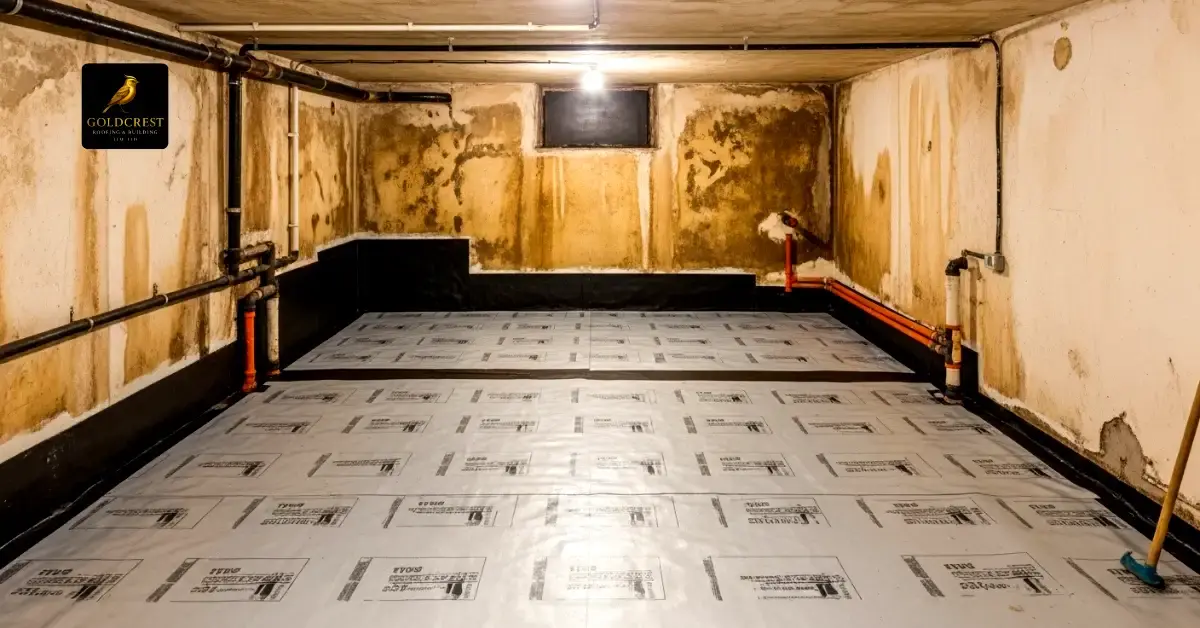
Basements and cellars are naturally prone to damp because they sit below ground level, where water pressure is higher. Without protection, walls become cold, wet, and musty.
The most effective solution is tanking, applying a waterproof coating to the walls and floors to stop moisture seeping through. Though it’s a more involved job, it’s ideal if you’re converting your basement into a usable room. Depending on the size and materials used, basement damp proofing typically costs between £3,000 and £10,000 or more.
Hidden Costs to Watch Out For
Even after damp proofing, there can be some additional expenses to consider:
- Replastering and Painting: Once the damp has been treated, walls may need replastering and a fresh coat of paint to restore a clean finish.
- Structural Repairs: If damp has caused deep cracks, wood rot, or other damage, further repairs might be necessary to keep your property safe.
- Follow-Up Inspections: Some professionals recommend follow-up surveys to confirm that the damp has been fully resolved and won’t return.
Being aware of these potential costs helps you plan your budget more accurately and avoid surprises down the line.
Money-Saving Tips for Damp Proofing
Preventing and tackling damp efficiently can save you both money and stress:
- Stay on top of maintenance: Regularly check gutters, roof tiles, and walls to spot moisture issues early.
- Combine Repairs: Fixing your roof, gutters, or external brickwork alongside damp treatment can reduce labour costs.
- Look for Local Deals: Many roofing and damp specialists offer seasonal discounts, maintenance packages, or bundled services.
- Maintain Your Property: Regularly clear gutters, seal cracks, and check walls to prevent moisture from taking hold.
A few simple preventive steps each year can help avoid costly repairs and keep your home dry and comfortable.
Conclusion
Damp might begin as a small issue, but if left untreated, it can quickly lead to mould, unpleasant smells, and even structural damage. The right damp proofing treatment can stop the problem early and protect your home for years to come.
Across the UK, damp proofing costs range from a few hundred pounds for minor condensation fixes to several thousand for full basement waterproofing. The final price depends on your property’s size, age, and the type of damp involved, but acting early often saves a great deal in long-term repairs.
If you’ve noticed damp patches, peeling paint, or a musty smell, explore our professional damp proofing services to identify the cause and choose the most effective solution to keep your home dry, safe, and comfortable all year round.
FAQs
Is damp-proof paint a good idea?
Damp-proof paint helps protect walls from minor moisture but isn’t a cure for severe damp. It works best as a preventive layer after proper damp proofing has been applied. If walls are already wet, treat the source first, or the paint will peel later.
Does a damp proof course (DPC) weaken the wall?
No, a DPC doesn’t weaken your wall when installed correctly. It actually protects the structure by blocking moisture from rising through the bricks. Issues typically occur due to poor installation or pre-existing damage to the masonry.
How long will DampRid last?
DampRid typically lasts 30–60 days, depending on humidity and room size. It’s great for small, damp areas, but won’t fix the root cause. For lasting results, proper ventilation or professional waterproofing is necessary.
How often should you damp-proof a house?
A good damp proof course lasts 20–30 years or more. You don’t need to redo it often; inspect every few years, especially in older homes, to catch early signs of damp and avoid costly repairs.
